 Türkçe

Technical Details
Fabric Technology in Paragliding: Porosity and Lifespan Analysis
Apr
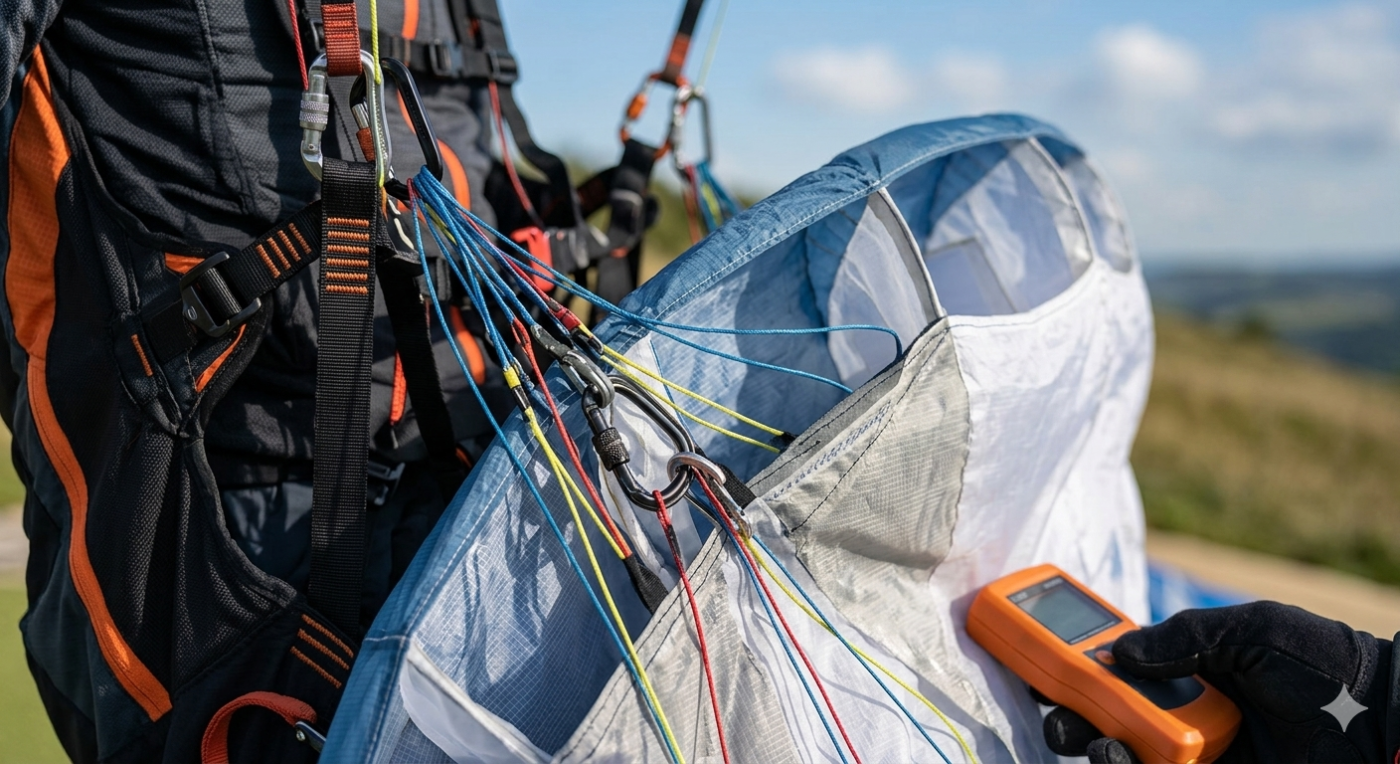
One of the most fundamental technical elements determining paragliding performance and safety is the quality of the fabric used in the wing’s production. The wing’s ability to retain air directly impacts your flight safety.
What is Porosity and Why Does It Matter? Porosity is the amount of air that passes through the fabric in a given time. In a new wing, this value is nearly zero. However, usage time, UV rays, humidity, and dust wear down the fabric’s coating, increasing porosity values. High porosity increases the wing’s tendency toward deep stall and decreases glide performance.
Fabric Technologies: Porcher Sport vs. Dominico Industry-leading manufacturers Porcher Sport (France) and Dominico (South Korea) offer different coating technologies.
- Abrasion Resistance: While water-based coatings are sensitive to moisture, silicone-based coatings show higher resistance to UV rays.
- Weight: Thin fabrics used in “lightweight” gear offer ease of packing but require more careful handling on rough terrain.
Technical Tips to Extend Equipment Lifespan:
- UV Protection: Do not leave the wing under the sun for extended periods between flights.
- Moisture Control: Packing a wet wing damages the chemical structure of the fabric coating. Always store your wing in a dry, cool place.
- Ground Handling: Aggressive ground handling on sandy or rocky terrain damages the inner texture of the fabric, rapidly increasing porosity.
